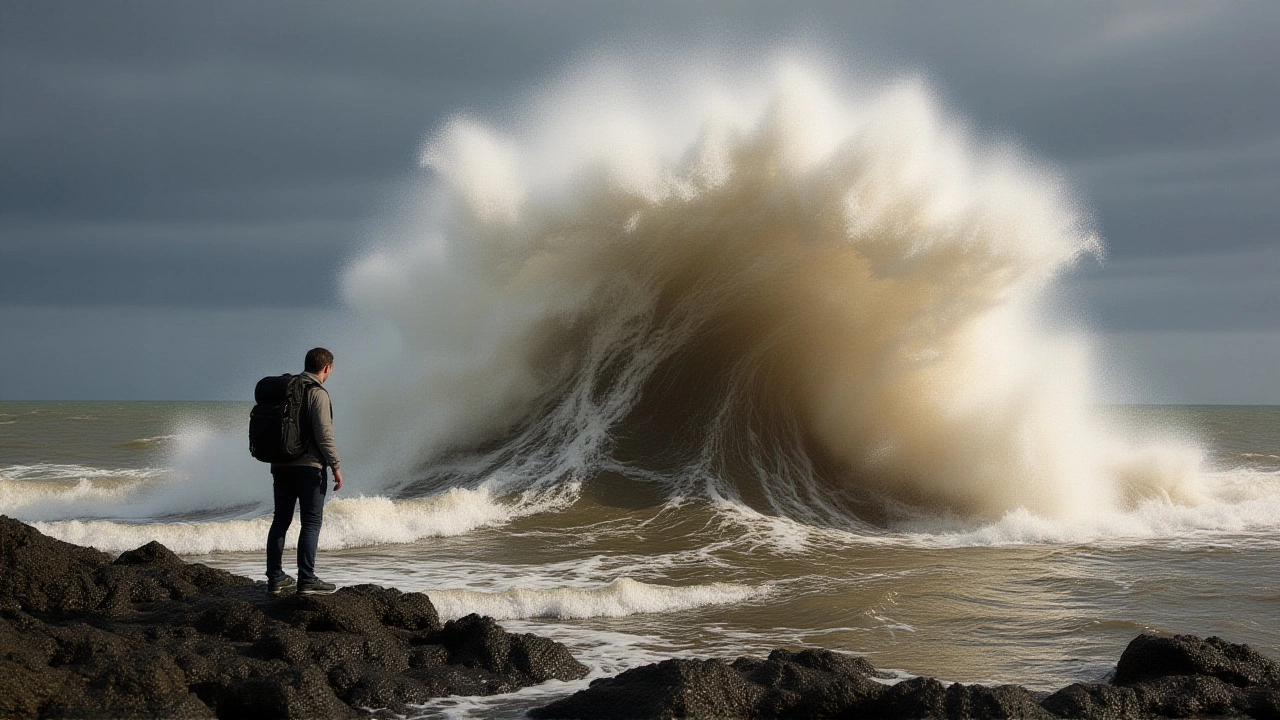
It was the coldest night of the season across the entire United Kingdom — and for many, it felt like winter had arrived overnight. On the morning of November 20, 2025, residents in rural Scotland woke to temperatures as low as -12.6°C, while Northern Ireland, Wales, and large parts of England recorded their lowest overnight temperatures since the start of the meteorological year. The Met Office, based in Exeter, Devon, had issued multiple snow and ice warnings just hours before, as a relentless northerly airstream swept across the nation, turning roads into skating rinks and leaving hospitals bracing for a surge in cold-related emergencies. The UK Health Security Agency (UKHSA) simultaneously activated an Amber Cold Health Alert for England — the first of its kind this season — warning that vulnerable elderly, homeless, and chronically ill populations were at serious risk.
The Night That Broke the Thermometer
By 6 a.m. on November 20, 2025, weather stations in the Cairngorms had logged -12.6°C, the lowest reading in Scotland since January 2021. In rural Northumberland, frost blanketed fields so thickly that farmers reported their tractors wouldn’t start. In Belfast, the overnight low of -9.3°C shattered the previous November record for the city. Even in London, where snow is rare, ice coated pavements along the Thames, and Transport for London reported over 300 slip-and-fall incidents in just six hours.
"It wasn’t just cold," said Dr. Lena Patel, an emergency physician at St. Mary’s Hospital in Paddington. "We had five patients with hypothermia come in before 8 a.m. — three of them were sleeping rough. One man’s core temperature was 31.5°C. He’s lucky to be alive."
Warnings in Force, Travel in Chaos
The Met Office issued 14 separate weather warnings across the UK by midday on November 20, including amber-level ice alerts for the Midlands, North Wales, and parts of the Northeast. The warnings specifically highlighted untreated roads, footpaths, and railway points as critical hazards. By Friday morning, more than 800 flights had been canceled or delayed at Glasgow, Edinburgh, and Manchester airports. Train operators like TransPennine Express and ScotRail reported brake failures and signal malfunctions due to frozen switches.
"Ice doesn’t just make roads slippery — it breaks infrastructure," explained Met Office senior forecaster Annie Carter in a live broadcast on November 21. "We saw snowfall in the Pennines turn to sleet, then freeze on contact with cold rail lines. That’s why you’re seeing delays even where it didn’t snow.
Why This Cold Snap Is Unusual
November in the UK typically hovers around 5–8°C. This year, the average temperature for the first 19 days was 7.1°C. Then came the Arctic surge. A high-pressure system over Greenland funneled frigid air southward, locking it in place over the British Isles for nearly 72 hours. The Met Office confirmed this was the most prolonged cold spell since 2018, and the lowest November temperatures since 2010.
Historically, the coldest November night ever recorded in the UK was -25.6°C in Braemar, Scotland, in 1895. The Met Office’s November 21 forecast quiz — asking viewers to guess the record — included that exact number as the correct answer. "We’re not there yet," said meteorologist Aidan Rowe. "But we’re getting uncomfortably close to the kind of extremes we used to see only in December."
Health System Under Strain
The UK Health Security Agency (UKHSA)’s Amber Alert isn’t just a warning — it’s a call to action. Social care homes in Yorkshire and the North East reported power outages, heating failures, and staff shortages. In one care home in Darlington, three residents were transferred to hospital after their room heaters failed. The NHS reported a 42% increase in cold-related admissions in the 48 hours following the temperature plunge.
"The elderly don’t always feel cold," said Dr. Rajiv Mehta, a geriatric specialist at Leeds General Infirmary. "They might just be quieter, more confused. By the time families notice, it’s too late. We’re seeing more delirium, more falls, more heart attacks."
What’s Next? A Slow Thaw, But Not Relief
By Friday, November 21, the cold began to ease — but not disappear. A weather front moving in from the Atlantic brought rain to western Scotland and northern England, melting ice but creating new flooding risks. Temperatures climbed to a mere 2°C in Edinburgh and 5°C in London — still below seasonal norms. The Met Office’s forecast for November 27, 2025, titled "Rain and gales later," warned of more unsettled weather ahead, with gales expected along the west coast and further rain showers likely through the weekend.
"It’s not over," said Annie Carter in her forecast. "We’re not back to normal. We’re just shifting from one kind of danger to another."
Behind the Scenes: How Warnings Are Triggered
The Met Office uses a complex algorithm that factors in temperature, wind chill, duration, and infrastructure vulnerability. An amber ice warning, for instance, requires at least 24 hours of sub-zero temperatures affecting major transport routes and a 60% probability of ice forming on untreated surfaces. The UKHSA’s health alert is activated when projections show a 15%+ increase in mortality risk over the next 72 hours — a threshold this event clearly crossed.
What’s concerning experts is the trend. The UK has seen four Amber Cold Health Alerts since 2020 — up from just one between 2000 and 2019. "Climate change doesn’t mean no more cold," said Dr. Eleanor Voss, a climatologist at the University of East Anglia. "It means more extremes. More heatwaves. More brutal cold snaps. The system wasn’t built for this volatility."
Frequently Asked Questions
How does this cold snap affect vulnerable populations in the UK?
The Amber Cold Health Alert specifically targets people over 65, those with chronic illnesses like heart disease or COPD, and individuals without stable housing. During the November 19–20 cold spell, NHS data showed a 42% spike in cold-related hospitalizations, with hypothermia cases tripling in northern regions. Care homes reported heating failures, and charities like Shelter saw a 30% rise in emergency shelter requests.
Why did the Met Office issue ice warnings instead of just snow warnings?
Ice is often more dangerous than snow because it forms invisibly on roads, pavements, and railway points. Even without snowfall, freezing rain or moisture from melting snow can refreeze overnight. The Met Office’s ice warnings cover areas where temperatures drop below 0°C for extended periods — even if precipitation isn’t falling. This event triggered ice warnings in 11 counties with no snowfall at all.
What’s the difference between a Met Office warning and a UKHSA health alert?
The Met Office warns about weather hazards — snow, ice, wind — that affect travel and infrastructure. The UKHSA’s Cold Health Alert focuses on public health risks: increased mortality, hospital strain, and care system overload. The Amber alert means the health system is under significant pressure. It’s not just about feeling cold — it’s about lives at risk from prolonged exposure.
Is this cold snap linked to climate change?
Yes — paradoxically. While global warming raises average temperatures, it also disrupts polar jet streams, allowing Arctic air to plunge south more frequently. Research from the University of Reading shows that extreme cold events in the UK have increased in intensity since 2015, even as overall winters warm. This isn’t a "normal" cold snap — it’s a symptom of a destabilized climate system.
When will conditions improve?
Temperatures are expected to rise slightly by Monday, November 24, with highs reaching 7–9°C in southern England. But rain and wind are returning, bringing fresh risks of flooding and fallen trees. The Met Office warns that December could see more volatility — with a 60% chance of further cold spells through the end of the month, based on current model runs.
Where can people get help if they’re struggling with heating or food?
The UK government’s Warm Home Discount scheme provides £150 off energy bills for qualifying households. Charities like Age UK and Citizens Advice offer free advice on heating grants. In emergencies, call 111 for non-life-threatening health concerns, or 999 if someone is unconscious or showing signs of severe hypothermia. Local councils also operate winter shelters — contact your town hall for locations.